
Waste Disposal and Recycling in Turkey
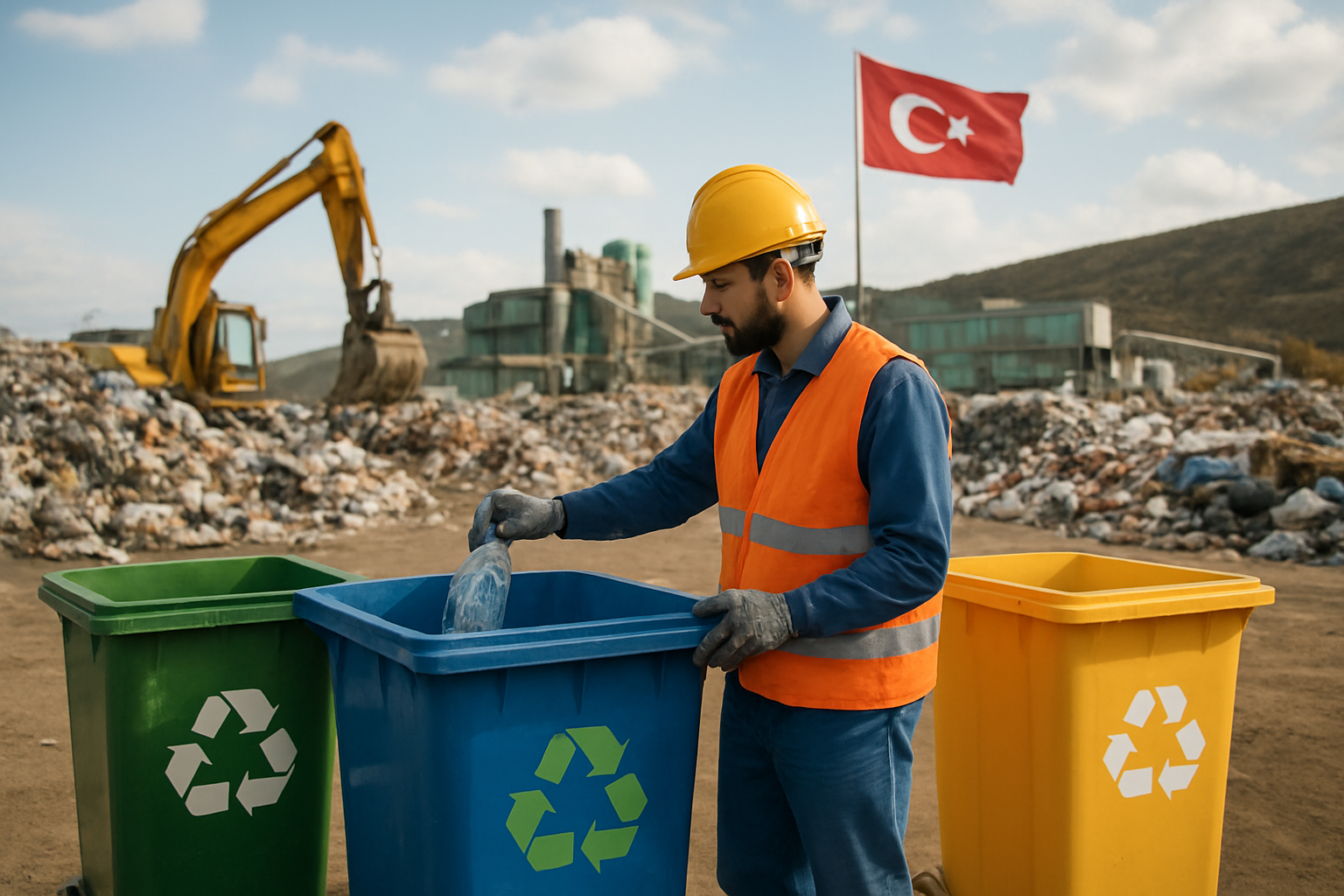
Moving to Turkey brings many day-to-day adjustments. Learning how local waste disposal and recycling work sits near the top of that list. Expats often face language barriers, different municipal systems across cities, and inconsistent recycling infrastructure. This guide breaks those challenges into practical steps you can use right away. Follow local rules, reduce household costs, and connect with neighbors using simple, actionable habits.
Understand the local system and Sıfır Atık
Municipalities in Turkey handle most household waste collection. Cities and districts run separate collection points, recycling centers, and special waste programs. The national Sıfır Atık (Zero Waste) initiative encourages businesses and municipalities to reduce waste and increase recycling.
Start by checking your municipality’s website or community social groups for collection days and accepted materials. Ask your landlord or building manager for the waste schedule. That short call or message will save you repeated trips to the curb.
Sorting basics: common bin colors and what goes where
Many Turkish cities use a color-coded system to help residents sort waste. Learn the scheme in your neighborhood and label containers in your home to match it. Below are common categories that apply in Istanbul, Ankara and many other cities.
- Blue: paper and cardboard
- Yellow: plastic, metal, and mixed packaging
- Green: glass
- Gray/black: general household waste that cannot be recycled
Rinse food containers before recycling to avoid contamination. Flatten cardboard to save space and keep collection points cleaner. If you live in an apartment, place correctly sorted bags in the designated bin area on the assigned day.
Organic waste and simple composting options
Kitchen scraps represent a large share of household waste. Many municipalities now collect organic waste separately or encourage home composting.
If your district collects organics, use the provided bin and follow the municipality’s rules. If it does not, consider a small countertop composter or a balcony compost bin. You can compost fruit and vegetable peels, coffee grounds, tea bags, and eggshells.
Here’s what to avoid in home compost:
- Meat and dairy (they attract pests)
- Oily food waste
- Plastic or non-biodegradable packaging
Composting reduces your garbage volume and produces nutrient-rich soil for balcony plants or a community garden. Many expats find composting a quick way to reduce trash fees and build ties with neighbors who garden.
Special waste: batteries, electronics, bulky items and used oil
Handle hazardous and bulky items separately. Do not mix them with daily household waste.
Common options include municipal collection centers, designated drop-off points, and scheduled bulky-item pick-ups. Many supermarkets and municipal buildings host small collection boxes for used batteries and light bulbs.
Practical examples:
- Bring old electronics and large appliances to the local “atık toplama” (waste collection) center or book a pickup through the municipality website.
- Drop used batteries at supermarket or municipal collection boxes—these keep toxic materials out of landfills.
- Collect used cooking oil in a sealed container and take it to municipal drop-off points or local recycling drives. Some neighborhoods run collection campaigns for biodiesel conversion.
Sorting these items correctly reduces environmental harm and prevents fines or removal issues for apartment managers.
Practical tips and examples for expat life
Use clear, simple routines to make waste management part of daily life. Small habits help you save time and fit local expectations.
- Ask your landlord or building manager where to place each type of waste. Save their instructions to your phone.
- Label your own indoor bins in Turkish and your language—etiketler (labels) cut down sorting errors.
- Join local online groups or neighborhood WhatsApp/Facebook communities. Locals share collection updates, recycling drives, and reuse swaps.
- Keep a small bag for recyclables in the kitchen and empty it on collection day to avoid odors.
- Use community exchange platforms and flea markets to sell or give away furniture and electronics instead of throwing them out.
Example: In a mid-sized apartment in İzmir, a family cut their non-recyclable trash by 40% within two months by separating plastic and paper, starting a small balcony compost, and donating furniture via local resale groups. They reduced disposal costs and made new social contacts at a recycling workshop offered by the municipality.
Another quick win: place a small container for batteries near your exit door so you always remember to drop them off at the supermarket on your next run.
Final practical checklist
- Confirm collection days with your municipality or building manager.
- Use color-coded bins consistent with local rules.
- Rinse and flatten recyclables to prevent contamination.
- Set up a small compost or use municipal organic collection.
- Drop off batteries, electronics and oil at designated points.
- Join local groups for updates and swap events.
Learning local waste rules pays off quickly. You will reduce your household costs, avoid problems with building managers, and contribute to cleaner neighborhoods. Start with simple steps: ask once, label your bins, and follow collection days. These actions help you adapt faster and connect with your new community in Turkey.