
Laundry Symbols and Instructions: Decoding Turkish Labels
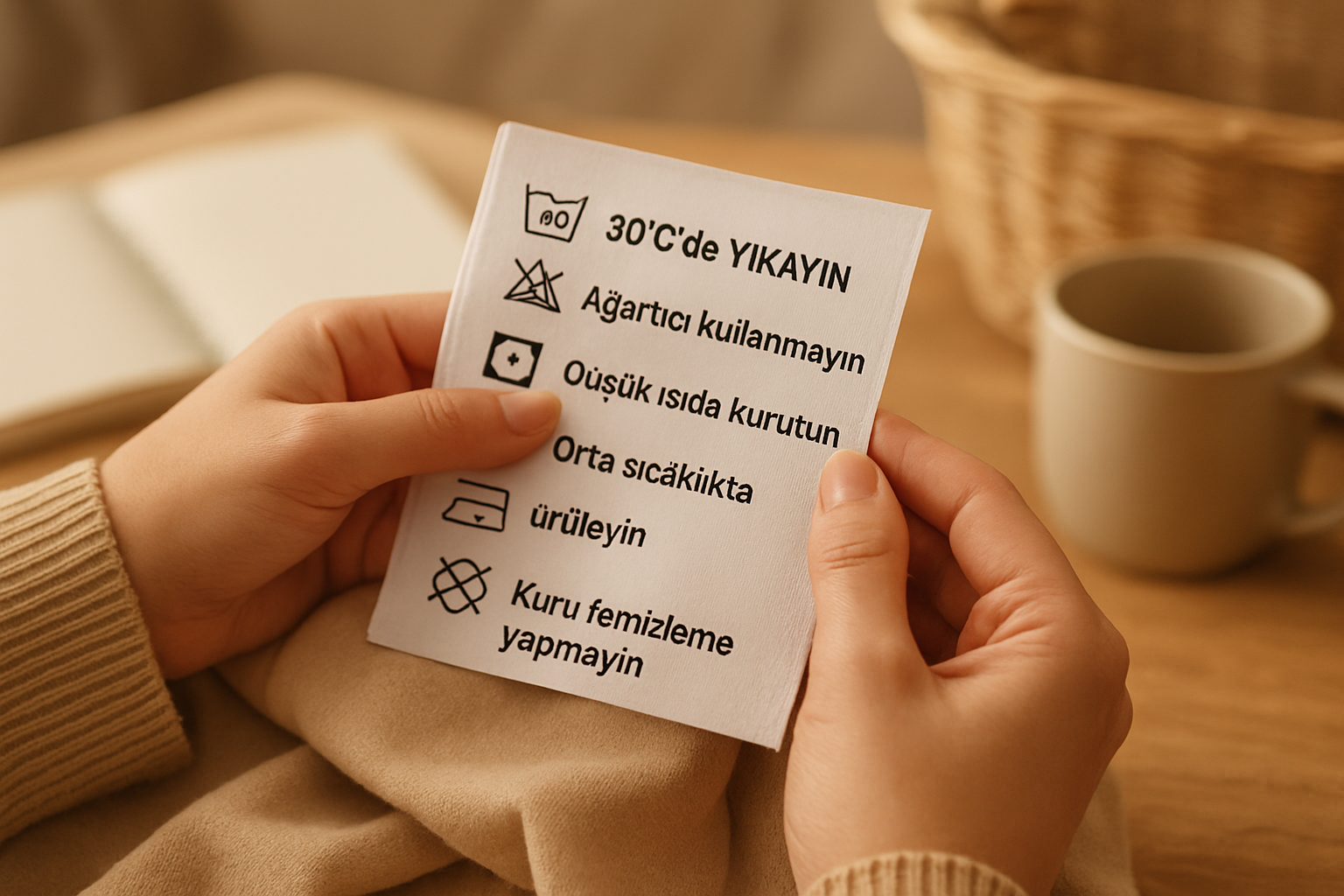
Living in Turkey brings many new routines: language, markets, and figuring out everyday chores like laundry. Labels in Turkish and unfamiliar symbols can frustrate newcomers. Learning how to decode laundry instructions helps you save time, protect clothes, and avoid costly mistakes.
Why decoding Turkish laundry labels matters for expats
Local laundry habits and detergents differ from what you used at home. When you understand labels, you be more confident at the laundromat and when handwashing at home.
You get three clear benefits: you extend garment life, prevent shrinking or color transfer, and save money on repairs or replacement.
Key symbols at a glance
Focus on a few high-impact symbols first. These symbols tell you wash temperature, whether to tumble dry, if ironing is safe, and if dry cleaning matters.
- Washing tub: water temperature and wash cycle
- Triangle: bleach instructions
- Square with circle: tumble dry rules
- Iron: ironing temperature and steam restrictions
- Circle: dry cleaning and solvent type
Common wash symbols and what they mean in practice
Labels usually combine pictograms with Turkish words. You see “yıkama” for washing, “kurutma” for drying, “ütüleme” for ironing, and “kuru temizleme” for dry cleaning. Learn those words and you decode most labels quickly.
A tub icon with a number or dots indicates temperature.
Example: a cotton T-shirt shows a tub with 40 or two dots. That means wash at 40°C or a medium temperature. Washing at 60°C risks shrinkage.
Example: a knit sweater often shows a hand in the tub. That symbol tells you to handwash gently to avoid stretching.
Drying and ironing symbols — practical rules
A square with a circle means tumble dry. Dots inside show heat level: one dot equals low heat, two medium, three high. If the icon has an X, do not tumble dry.
Line-drying icons matter for heavy or delicate fabrics. A square with a curved line means drip dry. A square with three vertical lines means drip dry in shade. Drying in the sun can fade colors quickly.
Iron icons show dots for heat. One dot equals low (synthetics), two for medium (wool, silk), three for high (cotton, linen). If the iron icon has an X, do not iron. A crossed steam symbol means avoid steam to prevent water spots or texture damage.
Practical examples that make laundry simple
Example 1 — Cotton T-shirt (market find): The label shows a tub with 40 and a square with a circle and two dots. Wash at 40°C and tumble dry on medium. You get a clean shirt without over-drying.
Example 2 — Wool sweater (local boutique): The label shows a hand-wash symbol, a flat-dry icon, and an iron with one dot. Handwash in cool water, lay flat to dry, and press on low heat. This practice keeps the sweater from stretching or pilling.
Example 3 — Printed polyester sportswear: The label shows a machine wash 30°C and do not iron. Wash in cold water to protect prints and skip the iron to avoid melting designs.
These examples reduce guesswork. You avoid color bleeding, shrinkage, and fabric breakdown by following the label instructions.
Tips for common expat laundry situations
Many expats use shared laundry rooms or neighborhood laundromats. Use these practical tips to get better results fast.
- Sort by color and fabric: keep heavy items like towels separate from delicates.
- Turn garments inside out to protect prints and buttons.
- Use a mesh bag for small or delicate items to protect them in the machine.
- Test a small area before using bleach. Look for a triangle symbol; if it shows lines or an X, avoid bleach.
- When in doubt, wash on a cold, gentle cycle and air dry. This choice prevents most damage.
Special fabrics and local detergents — quick guidance
Turkey sells a range of detergents and fabric softeners. Read ingredient lists if you have allergies. Enzyme detergents clean well but they can harm wool and silk.
For silk and linen, choose a mild detergent and cold water. For cotton and linens, use warmer water for a stronger clean.
When a label says “kuru temizleme” or shows a circle, take the garment to a dry cleaner. Many cleaners in Turkey offer quick service and explain which solvent they use, so ask if you want eco-friendly options.
Final checklist for confident laundry in Turkey
- Learn key Turkish laundry words: yıkama, kurutma, ütüleme, kuru temizleme.
- Scan labels before washing and separate by care instructions.
- Use cold or gentle cycles when unsure.
- Air dry when labels advise against tumble drying.
- Keep a mesh bag and a small stain remover in your laundry kit.
Decoding Turkish laundry labels takes a little practice, but you gain peace of mind and save money on clothing repair or replacement. Use the symbols, apply the practical examples here, and you handle laundry like a local in no time.