
Noise Regulations: Managing and Reporting Disturbances
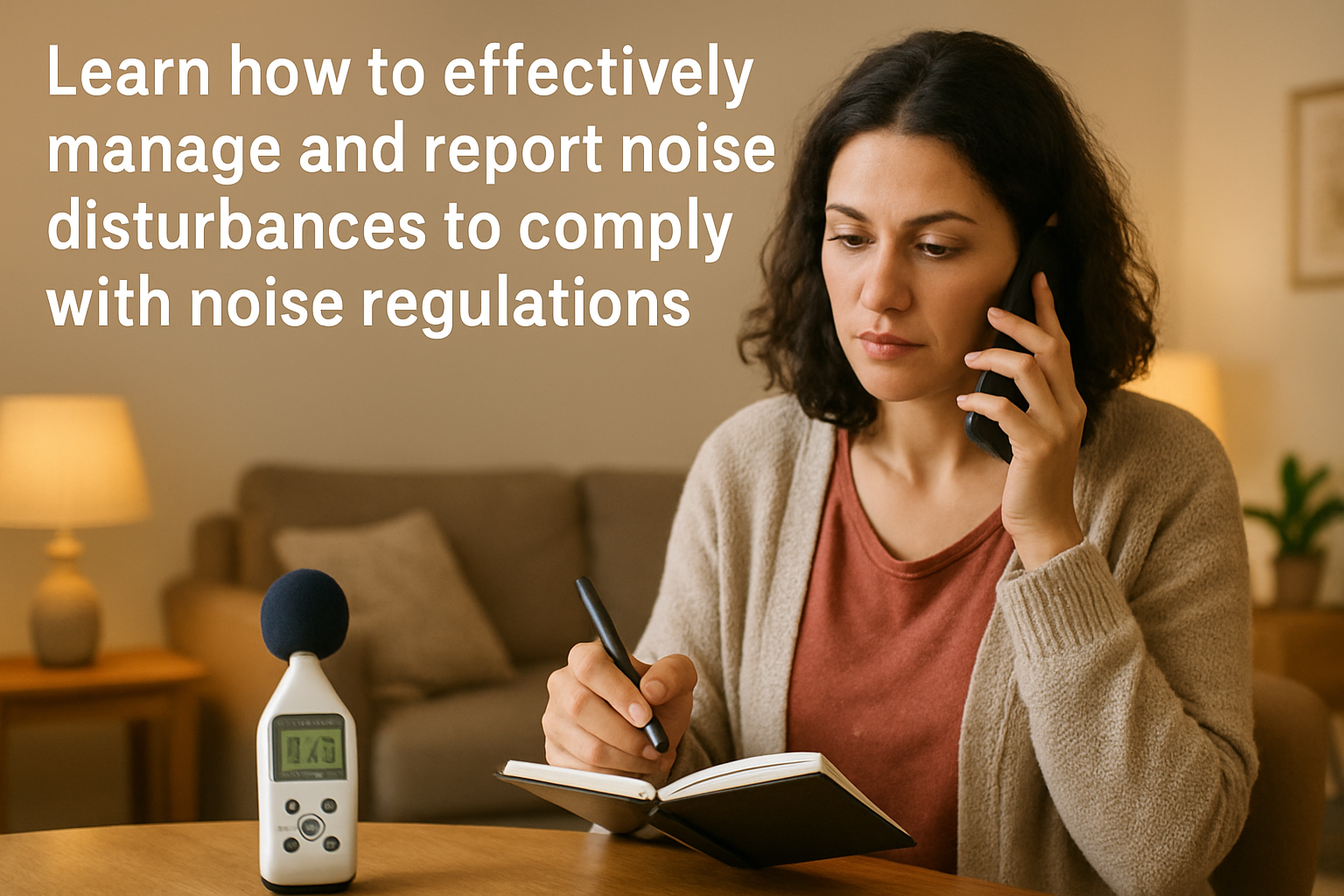
Moving to Turkey brings exciting opportunities and new routines. It also brings new challenges: different building cultures, busy street life, and local noise norms that may surprise you. As an expat, you balance cultural sensitivity with your right to a peaceful home. This guide explains how to manage and report noise disturbances clearly and confidently so you protect your health, maintain good neighbor relations, and follow local rules.
Understand local noise rules and your rights
Municipalities set noise regulations that vary by city and neighborhood. Most municipalities set quiet hours (commonly 22:00 to 07:00), restrict loud construction at night, and limit amplified sound in public spaces. You must check local bylaws or ask your site yöneticisi (site manager) for the specific rules that apply where you live.
Knowing the rules helps you choose the right action. For example, if your building allows limited renovation hours, you must follow those times when you renovate. If a business outside your building plays loud music after permitted hours, you can report it to municipal services.
Document the disturbance: practical evidence that helps
Collecting clear evidence speeds up resolution and strengthens your case if authorities intervene. Keep short notes and recordings showing dates and times. Write down how the noise affects your daily life, such as lost sleep, missed work, or stress.
- Use a phone to record short audio or video samples with timestamps.
- Note exact times and frequency of the disturbance.
- Ask neighbors to sign a short statement if they experience the same problem.
- Keep copies of written complaints you submit to the site manager or landlord.
Example: If a neighbor holds late-night parties every weekend, record a 30–60 second clip at 1:30 a.m., note the dates, and ask two neighbors to confirm the pattern. This evidence helps municipal officers or police assess the situation quickly.
Step-by-step: how to manage disturbances before calling authorities
Start with low-conflict options that often resolve issues fast. Approach the neighbor calmly and explain the problem. Offer specific solutions, like lowering volume after 22:00 or moving speakers away from shared walls.
If you feel uncomfortable approaching the neighbor alone, ask your site yönetimi or a bilingual neighbor to mediate. Build a short agreement in writing to avoid future misunderstandings.
Example: When a neighbor’s late-night TV disturbs your sleep, knock on their door during the evening and say, “I work early and need quiet after 22:00. Could you lower the volume or use headphones?” A polite request often works and preserves good neighbor relations.
When and how to report: contacts and procedures
If informal attempts fail, escalate the issue through formal channels. Use evidence you collected and know whom to contact based on the disturbance type.
- Contact site management or landlord for building-related noise.
- Call zabıta (municipal police) for business or street noise outside permitted hours.
- Call emniyet (police) for threats, violence, or repeated serious disturbances.
- Use your municipality’s online complaint portals (e-belediye) where available to submit documentation.
When you call, stay concise: state your address, describe the noise, give exact times, and offer your evidence. Ask for a record number for the complaint and follow up if authorities do not respond within the expected timeframe.
Example: A nearby cafe plays loud music late. You submit a complaint via the municipal portal with clips and timestamps. Zabıta inspects the location and issues a notice based on the evidence you provided.
Long-term solutions and soundproofing tips
Take proactive steps to reduce future noise and improve your living comfort. Soundproofing also increases property value and personal well-being.
- Install thick curtains or rugs to reduce echo and street noise.
- Add weatherstripping to doors and seal gaps around windows.
- Use bookshelf or insulated panels on shared walls to dampen sound.
- Choose white-noise machines or low-volume ambient sounds to mask sporadic noise.
Example: You experience intermittent street noise. Adding a heavy curtain and a small rug reduces the perceived volume and improves sleep quality. Combining these fixes with formal reporting provides both immediate relief and long-term protection.
Practical tips for staying calm and effective
Dealing with noise can drain your energy. Use these practical habits to stay effective and reduce stress.
- Keep a simple noise log you update immediately after disturbances.
- Know local authority names and phone numbers before problems start.
- Share your approach with neighbors to build a supportive network.
- Prioritize safety: avoid confrontations that could escalate.
Following these steps helps you handle disturbances confidently. You protect your health, maintain respectful relationships with neighbors, and follow local rules. If the issue persists, consult a local legal advisor or tenant rights organization for guidance tailored to your situation.