
Grocery Shopping: Understanding Labels and Local Brands
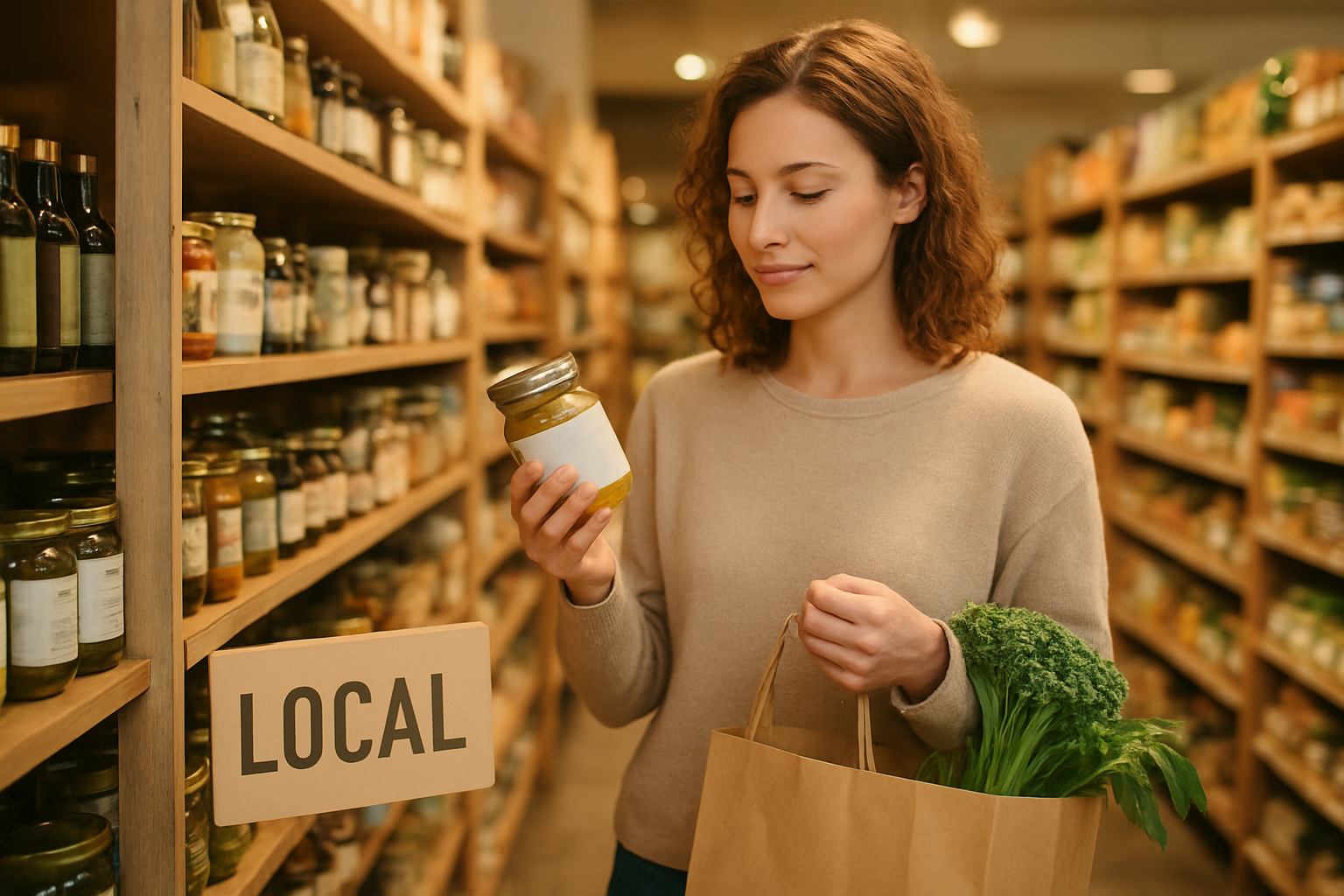
Moving to Türkiye brings exciting culinary discoveries and practical challenges. You face new label formats, unfamiliar brand names, and a different supermarket landscape. You may worry about language barriers, dietary needs, or finding trusted products. This guide helps you shop confidently by decoding labels, spotting reliable local brands, and applying simple strategies that save time and money.
Read Labels Like a Local
Labels provide the facts you need to make quick, safe choices. Learn a few Turkish words and you will avoid surprises at checkout.
Look for these common label terms and what they tell you:
- İçindekiler — ingredients list
- Son kullanma tarihi — use-by date (for safety)
- Tavsiye edilen tüketim tarihi — best-before date (for quality)
- Üretim tarihi — production date
- Saklama koşulları — storage instructions
- Pastörize / UHT — pasteurized or long-life milk
- Organik — organic
- Glutensiz / Laktozsuz — gluten-free / lactose-free
Example: a dairy tub may state “Süt, maya, tuz” under içindekiler. That tells you the product contains only milk, culture, and salt. A label that lists additives like “koruyucu” or “renklendirici” flags preservatives and colorants. When in doubt, choose products with short ingredient lists to lower the chance of hidden allergens or additives.
Understand Turkish Brands and Where to Shop
You will find major national brands and smaller regional labels across different stores. Learning which brands match which products helps you predict quality and price.
Common brands to recognize:
- Pınar and Sütaş — dairy and packaged cheese
- Tat — canned tomatoes and sauces
- Ülker and Eti — biscuits and snacks
- Torku — sugars, spreads, and local staples
- Komili, Tariş — olive oils
Shop types and their benefits:
- BIM, A101, Şok — discount chains with low prices and limited brand variety
- Migros, CarrefourSA — full-range supermarkets with more imported items
- Metro — wholesale shopping for bulk buys
- Mahalle pazarı (local market) — fresh produce, often cheaper and seasonal
Example: buy fresh tomatoes and herbs at the pazar for vibrant flavor and low cost, and get packaged pantry items from Migros if you need imported brands or specialty goods.
Practical Tips for Ingredients, Allergens and Labels
Allergen and additive labeling follows clear rules, but you still need to scan labels. Look for “içerir” (contains) and “iz şeklinde bulunabilir” (may contain traces).
Key features to check before you put an item in your basket:
- Ingredients order — manufacturers list the largest component first
- Allergen callouts — süt (milk), fındık (hazelnut), buğday (wheat)
- Storage needs — refrigerate after opening or keep in a cool place
- Country of origin — useful for olive oil, honey, and meat
- Certifications — organik, helal (if you follow halal standards)
Example: a jar of pekmez (grape molasses) may claim “%100 üzüm”. That signals a single-ingredient product with no added sugar. For packaged breads, look for “tam buğday” or “kepekli” if you prefer whole-grain options.
Smart Shopping Strategies and Budgeting
You can stretch your budget without losing quality. Use simple habits that adapt to local rhythms and supermarket promotions.
- Buy seasonally — fruits and vegetables cost less and taste better in season
- Compare unit prices — check price per 100 g or per liter to spot bargains
- Opt for local brands on staples — local dairy, legumes, and olive oil often match imports on taste and cost less
- Pick bulk only for stable goods — rice, flour, and olive oil keep well
- Use local markets for herbs and vegetables — you support small producers and find fresher produce
Example: you can save on olive oil by buying a 5-liter tin from Komili at Metro rather than small imported bottles. You will pay less per liter and cook with authentic flavor.
Real-World Examples and a Sample Shopping List
Apply these tips with a weekly plan that suits most expat households. I present a realistic shopping list and explain choices so you will cook confidently and save time.
Sample one-week grocery list for one person:
- 1 loaf of whole-grain bread or daily simit from the bakery
- 1 kg yogurt (Sütaş or Pınar) — use for breakfasts and sauces
- 300–400 g beyaz peynir (white cheese) — versatile for salads and breakfast
- 1–2 liters of milk (pastörize or UHT depending on fridge access)
- Olive oil (1–2 liters) — cooking and salads (Komili or Tariş)
- Fresh vegetables: tomatoes, cucumbers, peppers, onions
- Seasonal fruit: apples, oranges, or local stone fruit
- Eggs, rice, pasta, and a can of Tat tomato paste
- Tea (çay) or coffee (Türk kahvesi) if you prefer local beverages
Why this list works: it pairs pantry staples with fresh produce, simplifies meal prep, and uses local brands that cut your cost without compromising taste. When you follow labels and choose local stores, you will shop faster and feel more confident in the kitchen.
Start small, memorize a few label words, and try a nearby pazar. You will discover favorite local brands, reduce food waste, and enjoy authentic flavors while living in Türkiye.