
Common Cultural Mistakes to Avoid in Daily Life
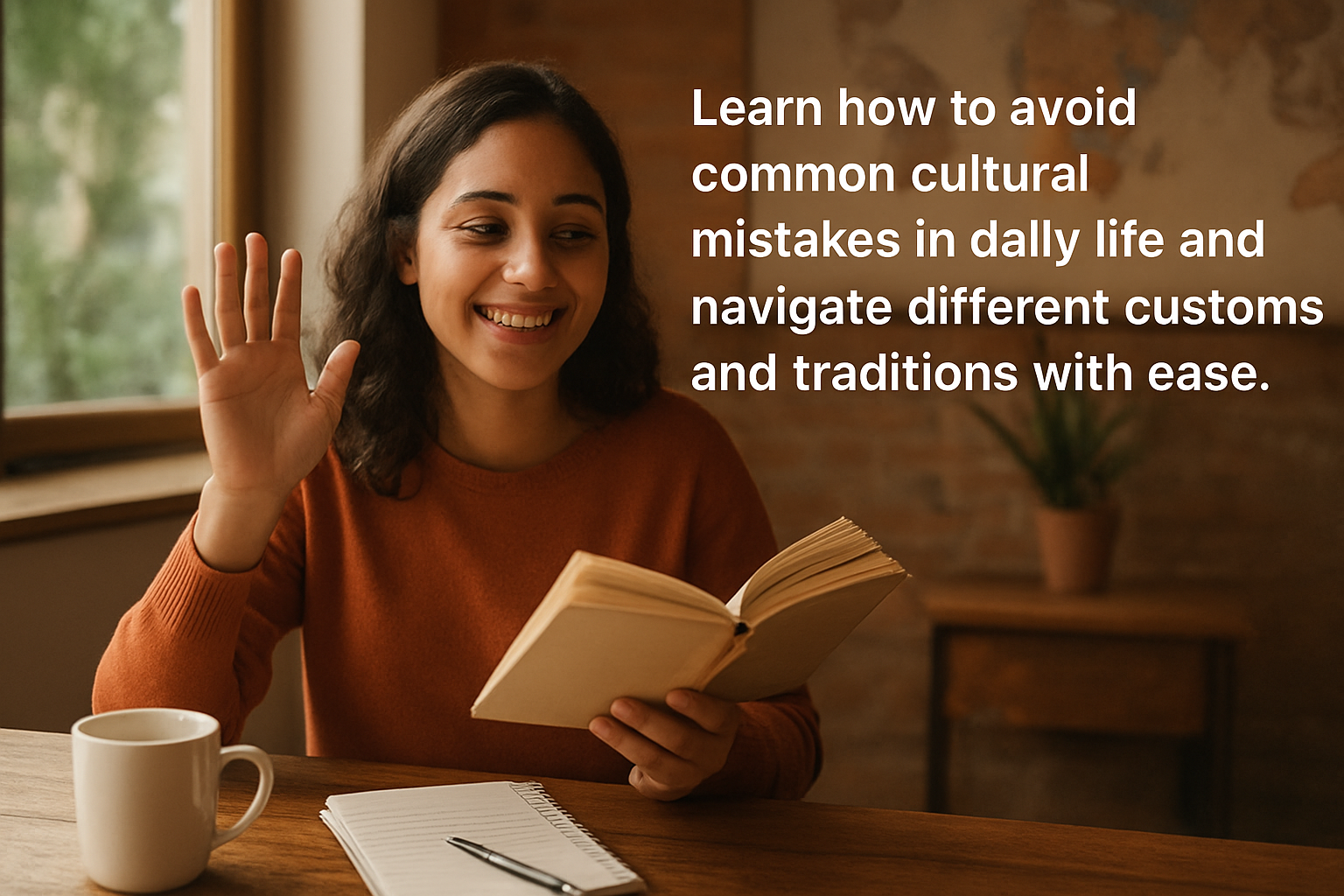
Moving to Turkiye brings exciting opportunities and everyday puzzles. Modern expats juggle language gaps, different social rules, and local bureaucracy every day. Small cultural missteps can create awkward moments or slow down routine tasks. This guide highlights common mistakes and shows clear, practical ways to avoid them so you settle faster and enjoy local life.
1. Greeting and Addressing People Correctly
Turkish social life values respect, especially toward elders and hosts. Greeting people correctly opens doors and builds trust.
Use formal titles like Bey or Hanım after a surname until you know someone well. Offer a firm but friendly handshake when meeting men. With women, follow their lead: they may prefer a nod or a kiss on both cheeks.
Practical example: At a neighbourhood shop, say “Merhaba” and add “Bey” or “Hanım” if the owner looks older. People appreciate the courtesy and remain warmer in follow-up encounters.
- Use “Merhaba” or “Günaydın” for polite greetings
- Address older people with titles first, then switch to first names only if invited
- Follow the other person’s lead regarding physical contact
2. Mind Body Language and Gestures
Body language influences how locals perceive you. Some common Western gestures carry different meanings here.
Avoid beckoning someone with the palm up; people find it rude. Do not point at someone with your index finger. Refrain from showing the sole of your foot or stepping on a prayer rug. These small habits demonstrate respect and reduce friction.
Practical example: When you want someone’s attention in a café, wave your hand slightly or say their name instead of snapping fingers. You will get a friendlier response and avoid offense.
- Keep gestures open and measured
- Use both hands when offering or receiving gifts or money
- Stand a comfortable distance away; people may expect closer proximity in social settings
3. Observe Religious and Public-Space Etiquette
Religion plays a visible role in daily life. Observing basic mosque etiquette and Ramadan customs shows cultural sensitivity and keeps interactions smooth.
Enter mosques quietly, remove shoes if required, and cover shoulders and knees. During Ramadan, avoid eating in public if you want to show extra respect, especially in conservative neighbourhoods. Also, avoid loud behaviour near prayer times and mosque entrances.
Practical example: If a colleague invites you to a mosque or a religious gathering, accept the invitation with curiosity and dress modestly. You will gain insight and show respect, which often leads to deeper friendships.
- Dress modestly in religious sites
- Observe silence and phone etiquette during prayers
- Respect fasting norms during Ramadan in public areas
4. Handle Sensitive Topics Carefully
Turkish history and politics include sensitive subjects. Foreigners who dive into these topics without context risk causing tension.
Avoid making strong statements about Atatürk, national identity, or territorial disputes. Do not ask directly about personal political views or religious beliefs unless the person opens the conversation. Instead, ask neutral, curious questions about culture and daily life.
Practical example: If a neighbour mentions a political event, listen and ask how it affects everyday life rather than debating the facts. This approach builds rapport and keeps conversations constructive.
- Steer clear of sensitive historical or political judgments
- Listen more than you speak in initial conversations
- Focus on shared interests like food, music, and local recommendations
5. Daily Practicalities: Hospitality, Time, and Paperwork
Small practical habits matter. They shape how people treat you and how smoothly your daily errands go.
Accept tea offers. Turks use tea to welcome guests and build rapport, so accepting a glass signals goodwill. When someone invites you home, bring a small gift like sweets or flowers and remove your shoes if they do. Be punctual for formal appointments like government offices, but expect relaxed start times for casual social events.
Handle bureaucracy with courtesy. Bring copies of documents, keep a calm tone, and learn a few phrases in Turkish. Officials respond better to polite persistence than to impatience.
- Accept tea as a social bridge
- Bring small hostess gifts and take off your shoes indoors
- Prepare documents ahead for official appointments
Everyday respect and curiosity deliver big returns. When you adjust greetings, watch gestures, respect religious practices, avoid dangerous topics, and follow local routines, you enjoy smoother social interactions and faster integration. These habits reduce friction in daily life, open relationships, and let you focus on exploring Turkiye with confidence.
Use this list as a practical cheatsheet you can revisit before meetings, visits, or official appointments. Small changes produce immediate benefits: fewer awkward moments, quicker trust, and a stronger sense of belonging in your new home.