
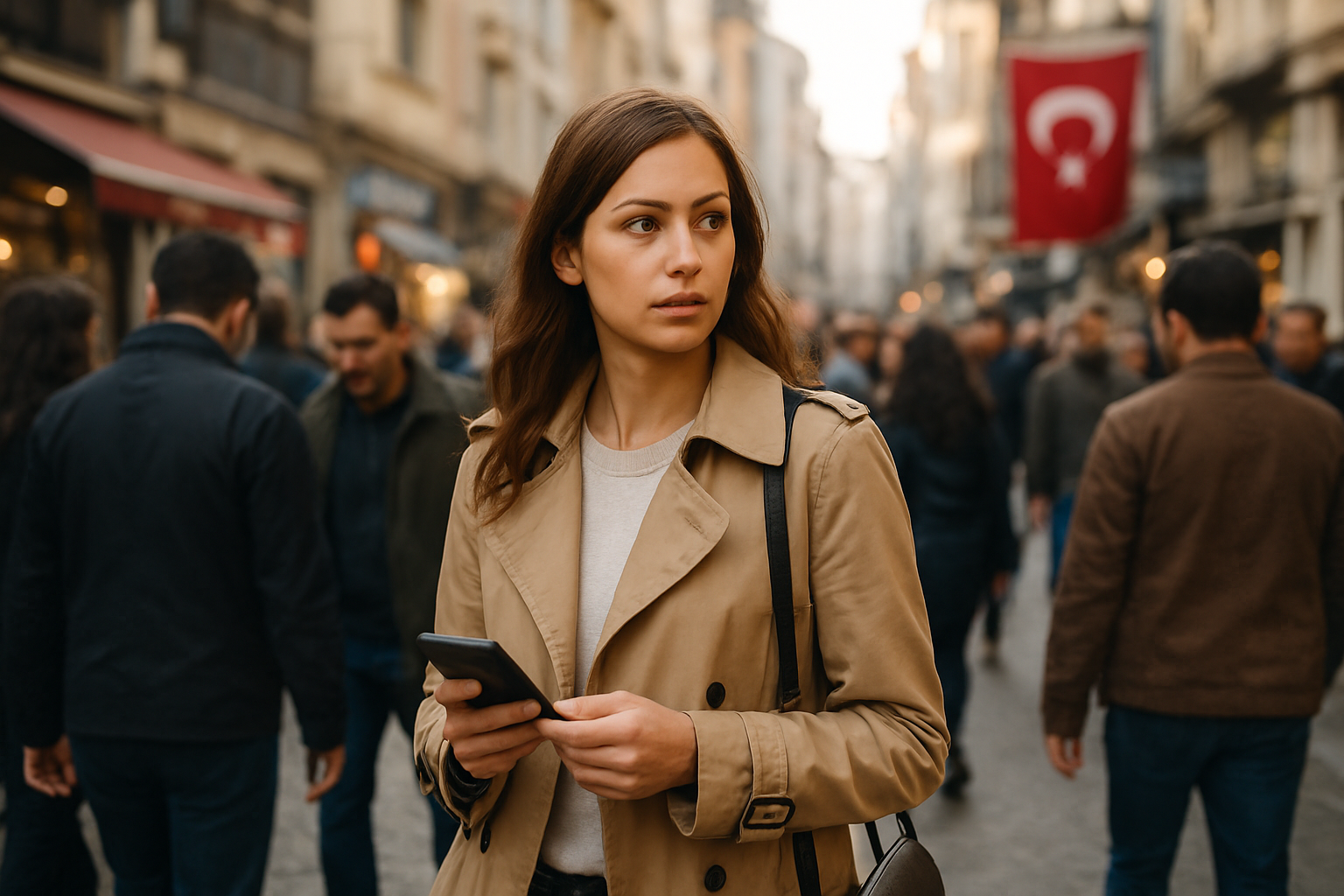
Moving to a Turkish city brings fresh opportunity and new routines. Expats face language gaps, unfamiliar transport systems, and different social norms. You can reduce stress and enjoy urban life by preparing for common safety challenges. This post gives practical, benefit-driven tips that help you stay safe, save time, and feel confident in daily life.
1. Learn local basics and blend in
Learn simple Turkish phrases to improve communication. Greet people with “Merhaba” and ask for help with “Yardim eder misiniz?” Small efforts earn respect and speed problem solving.
Dress to match local norms in neighborhoods you frequent. Dressing modestly in conservative areas reduces attention and helps you avoid unwanted interactions.
Use practical examples:
- Carry a phrase card with emergency phrases and address details in Turkish.
- Practice directions and neighborhood names before you travel so you can ask clearly.
- Use polite forms and basic etiquette to build rapport with shopkeepers and neighbors.
These actions increase your ability to get help quickly and to move confidently in the city.
2. Choose safer transport habits
Use official transport options and familiar apps to reduce uncertainty. Big cities offer reliable public transport, licensed taxis, and popular ride-hailing platforms.
Prefer daytime travel on unfamiliar routes. When you must travel at night, pick well-lit streets and stations.
Practical examples and benefits:
- Use Istanbulkart or local transport cards to avoid cash handling and speed boarding.
- Book taxis through trusted apps like BiTaksi or iTaksi so drivers and routes remain traceable.
- When using buses or metros, stand near other passengers and keep belongings in front of you to prevent pickpocketing.
These habits cut risk, save time, and keep you in control when you move around the city.
3. Secure your home and documents
Choose a secure flat in a reputable building and verify basic safety features. Check door and window locks, fire escapes, and emergency lighting when possible.
Keep important documents safe and store digital copies in an encrypted cloud. Carry photocopies of your passport and visa rather than the originals when you go out.
Practical examples:
- Ask landlords for proof of building permits and safety certificates if available.
- Install a simple door chain or secondary lock to add security without major changes.
- Keep a small safe or locked drawer for passports, extra cash, and residence papers.
These steps protect your legal status and reduce the disruption a theft or emergency can cause.
4. Stay street-smart: avoid scams and petty crime
Be mindful of common scams and petty theft in tourist-heavy areas. Scammers often target people who appear lost or distracted.
Keep phones and wallets out of easy reach. Use a crossbody bag with a zip and carry your bag in front of you in crowded places.
Examples and benefits:
- When an overly friendly stranger approaches with a “favor” or “gift,” decline politely and walk away. This reduces the chance of distraction theft.
- Use ATM machines inside banks or busy malls to lower the risk of tampering or shoulder surfing.
- If someone offers unsolicited help with your luggage or camera, accept only from staff in uniform or refuse and find an official counter.
These practices cut your odds of theft and help you enjoy markets, museums, and festivals without worry.
5. Prepare for medical and natural emergencies
Turkey sits on active fault lines. Prepare a simple emergency kit and plan evacuation routes from your building. Know the location of the nearest hospital with an emergency department.
Register with your embassy or consulate and keep emergency contacts updated. Carry health insurance details and a local emergency card with your blood type and allergies.
Key emergency items and actions:
- Emergency numbers: 112 for ambulance and fire, 155 for police, 158 for gendarmerie.
- Keep a small kit with a torch, bottled water, basic first-aid items, and copies of important documents.
- Store offline maps and add favorite places such as your embassy, hospital, and home address in a map app.
These preparations reduce panic during crises and speed access to care and assistance.
Final checklist to carry with you:
- Phrase card in Turkish and your home language
- Digital and physical copies of passport and visa
- Emergency contact list and embassy information
- Small emergency kit and a charged phone power bank
Follow these focused safety habits and you will enjoy more control, fewer interruptions, and greater confidence living in Turkish cities. Practice them regularly, adapt them to your neighborhood, and teach household members to follow the same routines.