
Staying Updated: Weather Alerts and Forecasts in Turkey
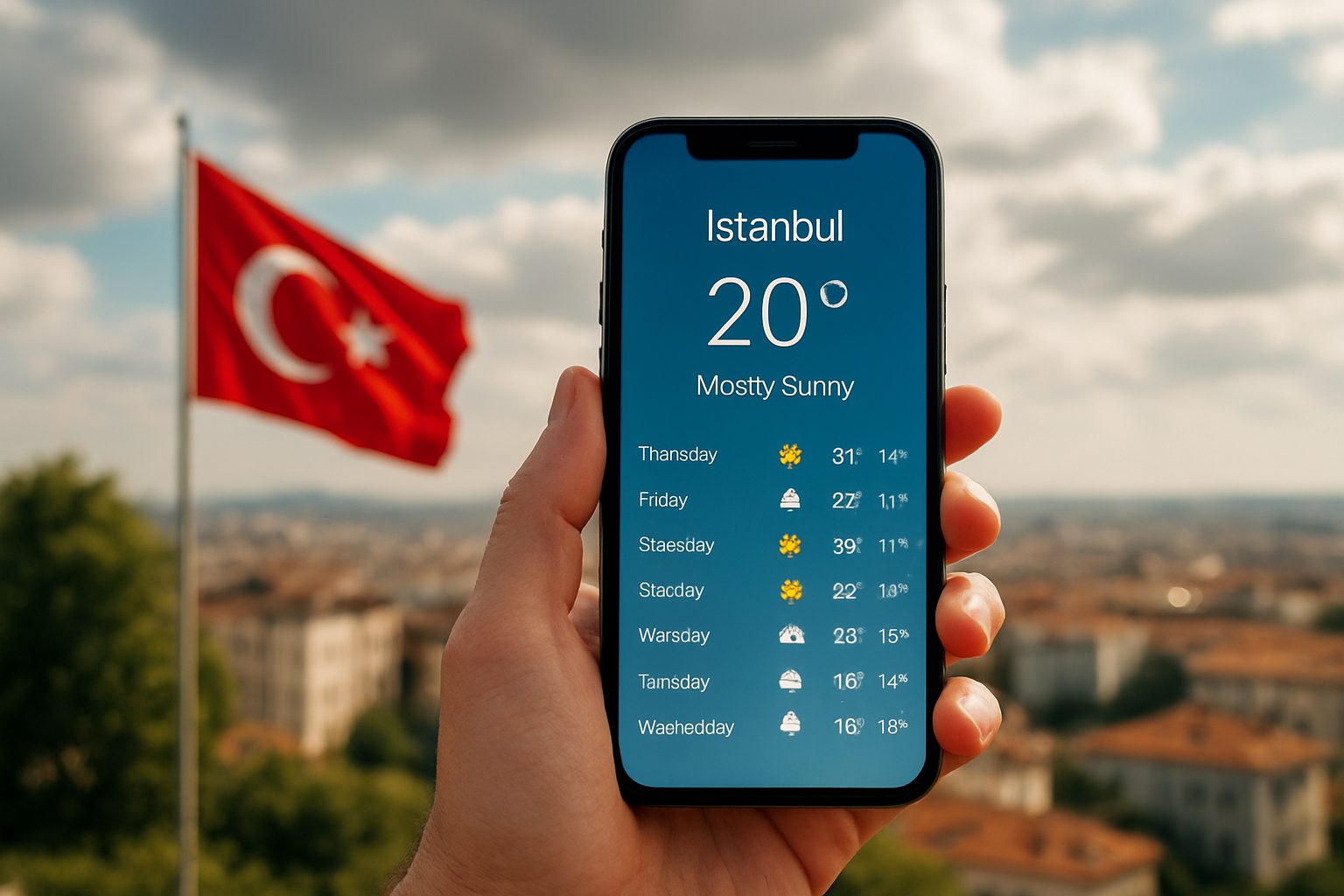
Living abroad gives you freedom and new routines, but it also brings practical challenges you might not face at home. Weather in Turkey varies dramatically from coastal Mediterranean warmth to snowy mountain winters. If you move without a reliable way to receive and interpret weather updates, you risk travel disruptions, property damage, and unexpected safety issues. This post helps you set up dependable weather alerts and forecasts so you can plan daily life with confidence.
Why staying updated matters for modern expats
Weather affects everything from commuting to school runs and outdoor plans. As an expat, you might not yet know which neighborhoods flood easily or which roads close after heavy snow. Regular weather updates give you time to act instead of react.
When you get timely alerts, you reduce stress and save time. You avoid last-minute cancellations, protect your home, and keep family members safe. Clear, local information gives you control over routines, work commitments, and travel.
Official sources and local channels you should follow
Use official agencies first. The Turkish State Meteorological Service (MGM) and AFAD (Disaster and Emergency Management Authority) issue warnings and guidance across the country. Local municipalities and governorates also broadcast urgent notices for their districts.
Subscribe to these channels to stay informed:
- Official MGM forecasts and warnings for daily and hourly updates
- AFAD alerts for earthquakes, floods, and large-scale emergencies
- Municipal social media accounts — they post road closures and local shelter information
- Local news outlets and radio for on-the-ground reporting
Choose at least two official sources so you cross-check information. Relying on a single feed increases your risk of missing important regional messages.
Apps and tools that make staying informed easy
Install a mix of apps that focus on accuracy, local detail, and notification reliability. Pick one official app and one third-party app that offers hyperlocal models and radar imagery.
Look for these features when you compare apps:
- Push notifications for severe-weather warnings
- Location-based alerts that follow your home, workplace, and travel routes
- Radar and precipitation maps with short-term forecasts (nowcasting)
- Multilingual support — English and Turkish help when you read local bulletins
- Low battery mode and offline maps for rural or low-signal areas
For most expats, combination use works best: rely on the MGM app or website for authoritative warnings and use a radar-heavy app for immediate, local detail. Set each app to notify you for the same alert types so you never miss a warning.
Practical examples: how alerts change what you do
Example 1 — Heavy rain in Istanbul: MGM issues a yellow warning for heavy rain. You get a push alert three hours before peak rainfall. You move an upcoming ferry commute to a later time, choose the metro instead, and secure balcony furniture. You avoid flooded streets and long waits for taxis.
Example 2 — Snow and highway closures in Eastern Anatolia: A red-level snow alert arrives overnight from AFAD and local authorities. You postpone a weekend road trip, notify your employer you will work remotely, and prepare an emergency kit for your car. Those simple choices keep you safe and reduce rescue needs.
Example 3 — Summer heat wave on the Mediterranean coast: A series of high-temperature alerts prompts you to shift outdoor activities to mornings, keep children hydrated, and check air conditioning filters. You save energy and protect health by planning around the heat peak.
How to set up alerts and use them every day
Follow these steps to create a dependable, low-effort system:
- Install the MGM and AFAD apps and allow push notifications.
- Choose a reliable third-party weather app with radar and short-term forecasting.
- Set location-based alerts for your home, workplace, and any frequently traveled routes.
- Follow your municipality and local governorate on social media or subscribe to SMS alerts when available.
- Test notifications after setup so you know they reach your phone.
Keep a simple emergency kit at home and in your car: water, a flashlight, phone charger, basic first aid, and a paper list of emergency numbers. Update the kit seasonally.
Daily habits that reduce weather-related stress
Make checking the forecast part of your routine. A quick glance every morning and again before evening plans keeps you ahead of sudden changes.
Use calendar blocks for weather-sensitive events. If a forecast shows high rain probability, move family outings or outdoor construction tasks to another day.
Teach household members how to interpret alerts. If everyone knows what a yellow versus red warning means, your family makes faster, safer decisions.
Staying updated on Turkey’s weather saves time, protects health, and gives you freedom to plan. Build a layered alert system from official channels, local sources, and practical daily habits. You will move confidently through seasons, avoid common expat surprises, and keep loved ones safe.